Talking About My Art

A visual guide to the development of 'Happiness'

Happiness slideshow

'Entropy'


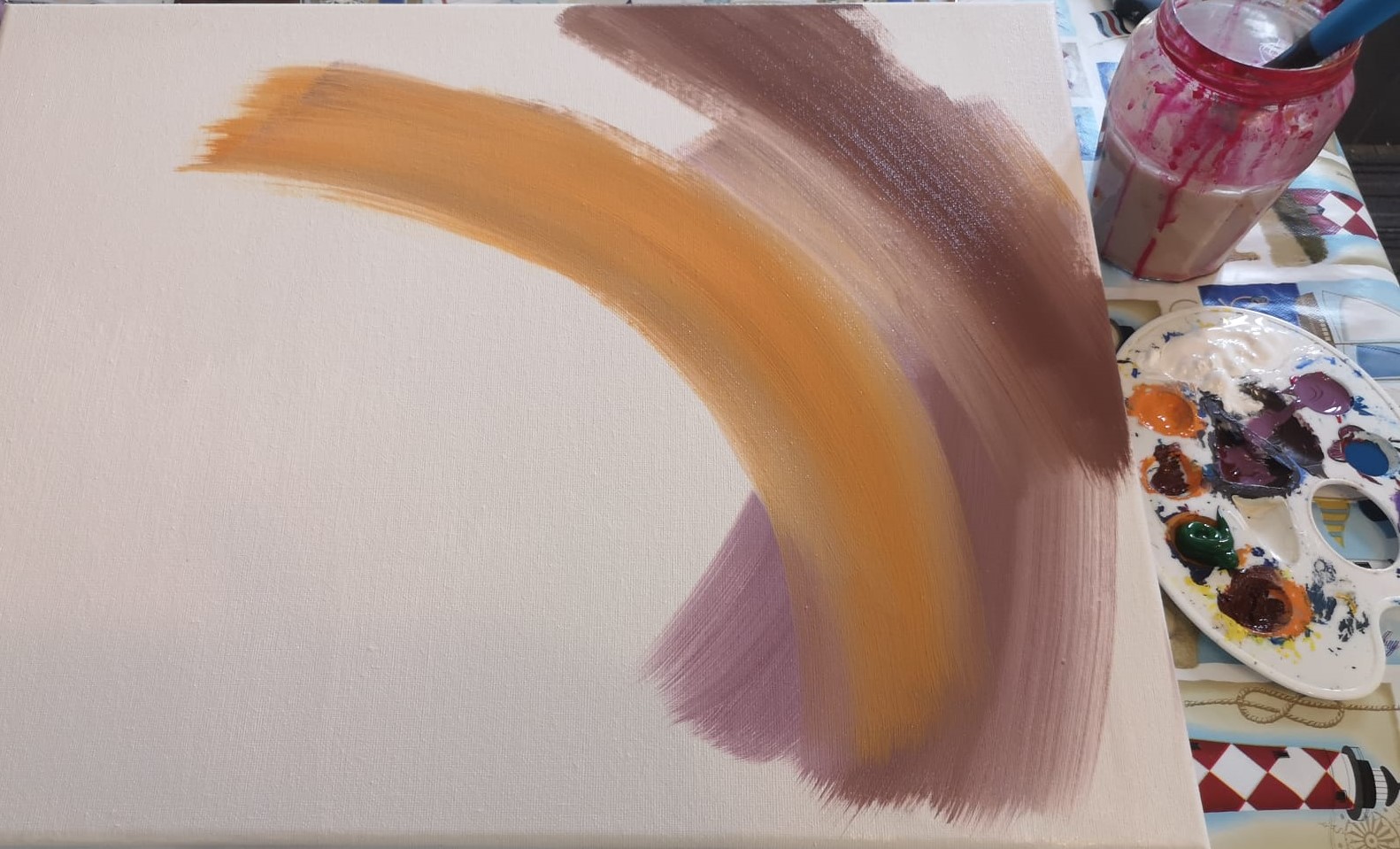
Entropy Development

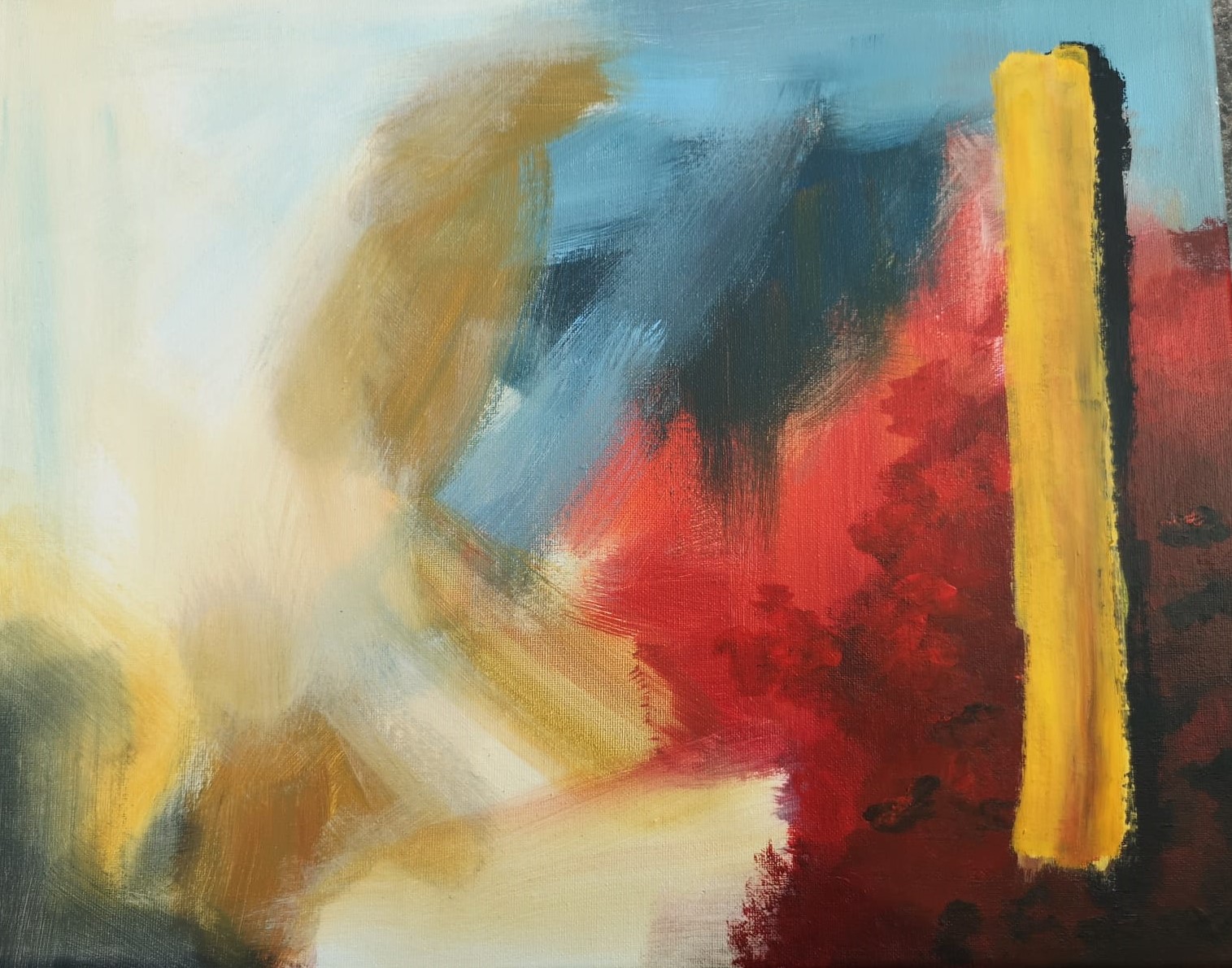
This canvas is full of symbolism. I would like to briefly draw attention to two of its symbolic elements.

In Chinese tradition the colour white is linked to death and mourning. It does not represent such things as innocence and purity. Each spring the Chinese celebrate Qingming - also known as the Tomb Sweeping Festival - during which people honour and remember their ancestors. This can be done in various ways, but perhaps one of the most interesting rituals is the offering and burning of little maquettes made of white paper or card which represent such things as TV screens, money, iPhones, beds etc, anything that today’s descendants think maybe useful in the afterlife of their ancestors.

The Roman god Janus - after who January is named - represents beginnings, bridges, transitions etc, but it is of course linked to the idea of untrustworthiness, double-speak, it embodies the idea of saying one thing but doing another.


'A Visual Guide to the Development of 'Entropy'.

Reflections slideshow

Conceptual Art - Concept 3 : DP24

Misjustice

injustice

The noun that the English language has as the antonym of justice is ‘injustice.’

The Cambridge Dictionary describes ‘injustice’ as relating to a situation in which there is no fairness and justice.

The Merriam–Webster dictionary says it is an absence of justice.

The Collins dictionary explains it as a lack of fairness./p>

The word ‘justice’ comes from a Latin root, justitia. Its principle meaning in Ancient Roman times was linked to the quality of being just, fair, righteous.

The Latin root passed into Old French and then into Middle English. By the time the word ‘justice’ entered the English language its primary meaning had become ‘the administration of law’ underpinned by the claim that ‘laws were morally and legally right’. The idea of ‘fairness’ became secondary.

The prefix ‘in ' - means ‘not’: the opposite of correct is incorrect, visible becomes invisible.

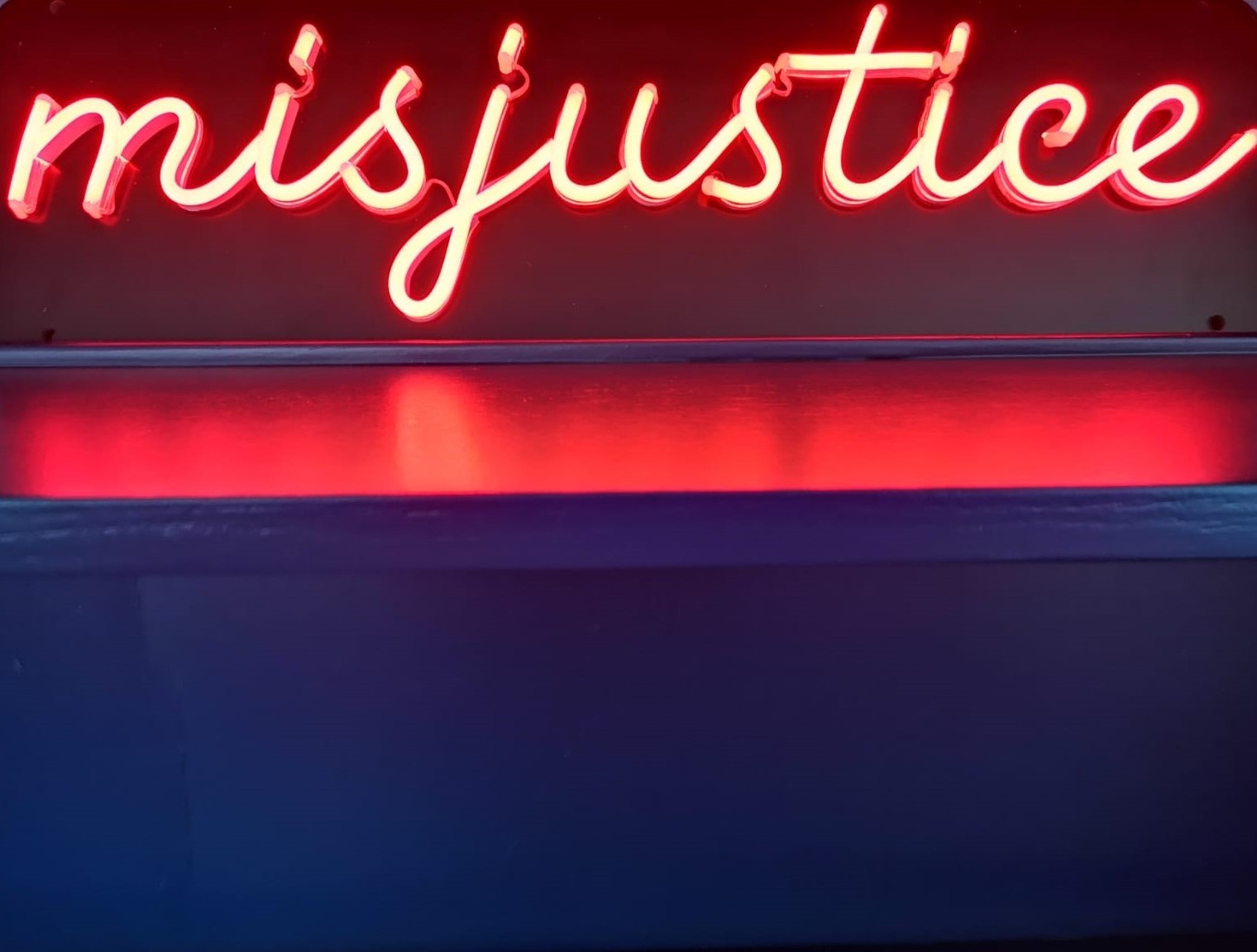
'misjustice'.

This conceptual art piece proposes that we need a new word in the English language, that expresses the deliberate imposition of 'wrong' or 'bad' ( the meanings of the prefix mis-) justice, through the intentional framing and subsequent interpretation of laws or 'rules' aimed at oppressing 'others'. These laws or rules are then claimed as the legal basis for the actions of the State or Authority, which inflict suffering on, or discriminate against, 'others'. - David

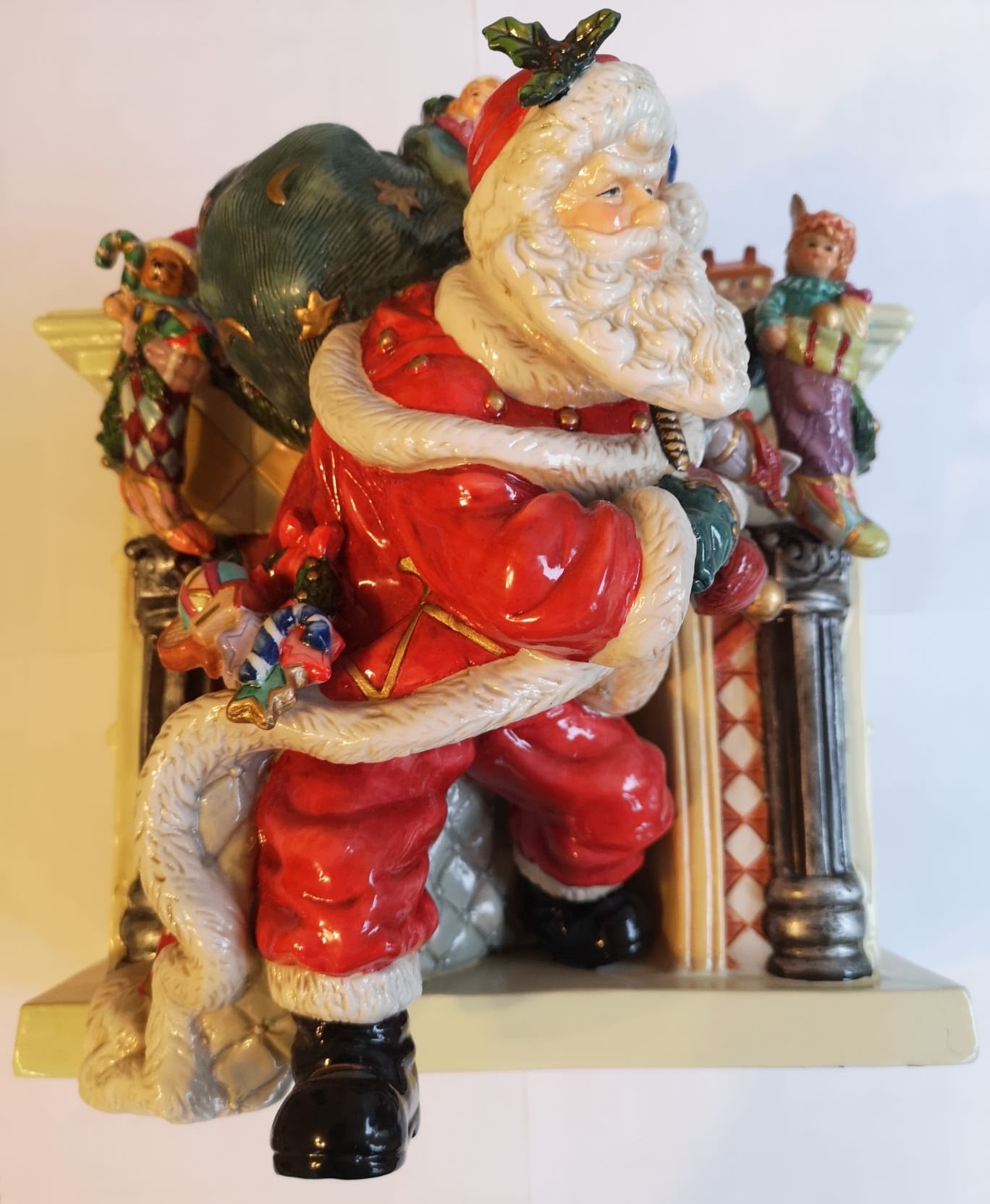
A visual record of the creation of a Christmas card.

Christmas card slideshow

Concept 2 : DP24

Concept 2 detail

Elements of the work

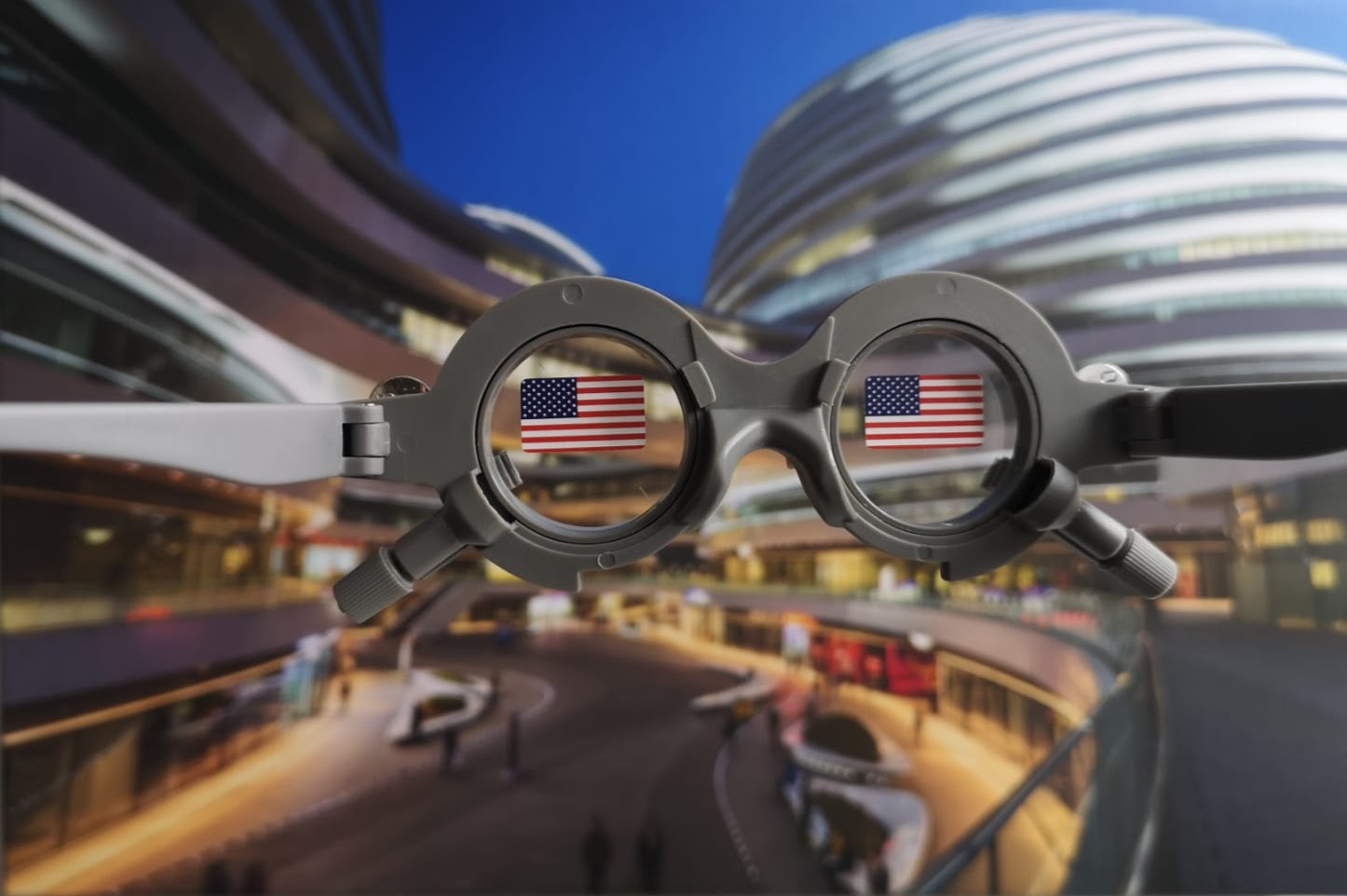
1. An Oculus (Noun) : 1. An eye. 2. (Architecture) A circular opening or window which lets in light, particularly one at the apex of a dome. 3. Instrument used by opticians to determine how to correct impaired vision through the selection of corrective lenses.

2. Lenses : (10 pairs) These should be placed in pairs in the oculus by the observer/viewer. NB. There are two sets of plain (prescription) lenses. One set should show the BBC logo, but the Corporation prevents the reproduction of its trademark unless its use accords with its own assessment of its impartiality and values. The other set of plain lenses should show the VoiceofAmerica logo. But, it may not be used for commercial or other purposes without their express permission. Its use must also align with the organisation’s mission statement

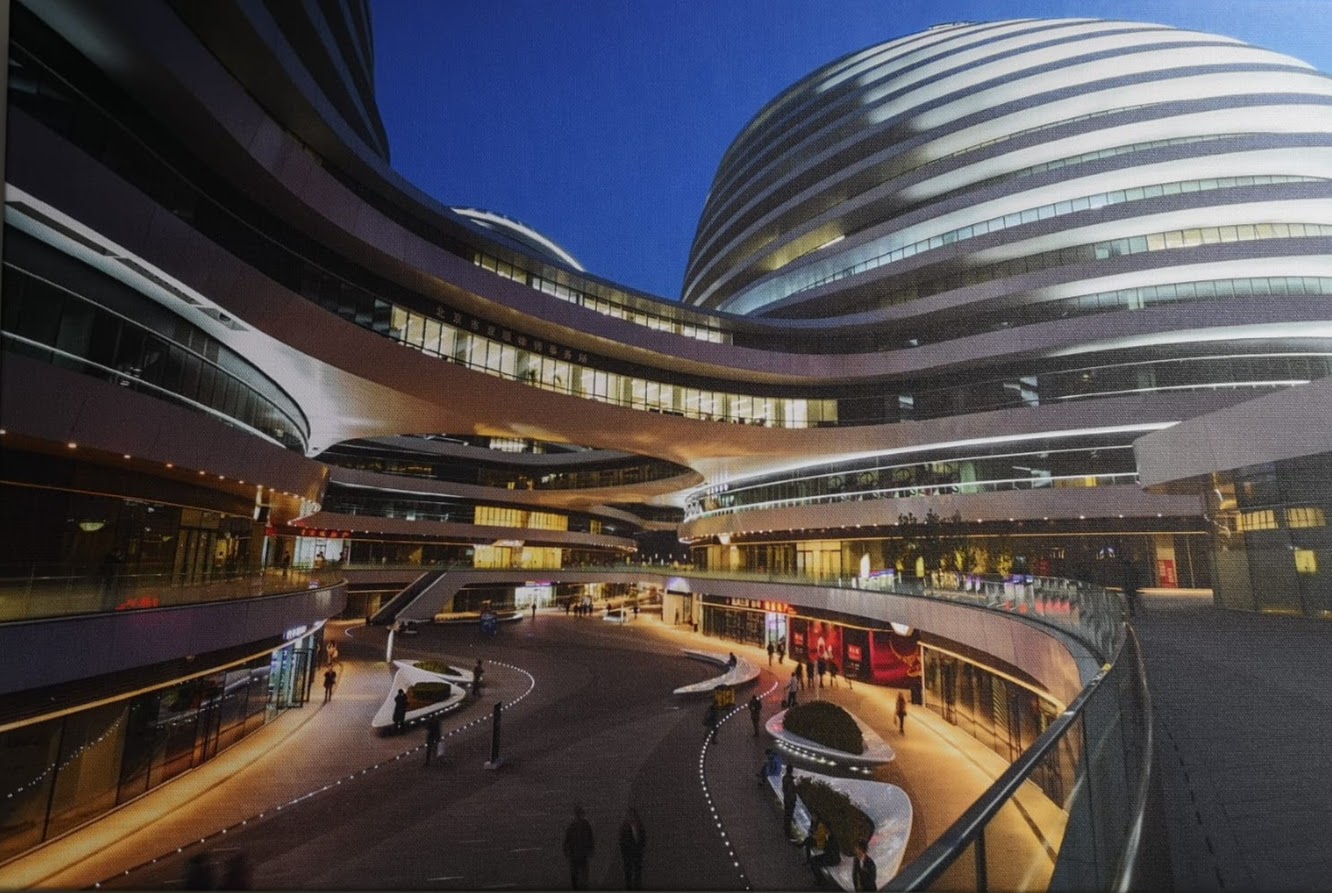
3. Photograph . A printed image on canvas of one of the entrances to the Galaxy SOHO shopping mall in Wanjing, Beijing.

This stunningly beautiful office, entertainment and retail complex was designed by Zaha Hadid (Architects) - the brilliant Iraqi-British architect who sadly passed away in 2016 - and is representative of the myriad examples of ultra-modern architectural masterpieces to be found across today's China.

A short essay about the meaning of Concept 2 : DP24

As soon as I was old enough and able to travel on my own I headed to Paris. One of the things I wanted to see was Napoleon's sarcophagus at Les Invalides, which I remember moved me deeply at that time, but in fact I found myself most affected by something I began to understand while I was wandering through Le Musee de L' Armee ( the Army Museum ) which is right next to the Dome des Invalides.

The maps relating to the troop positions and various battles on French soil during the First and Second World Wars showed numerous French units in the thick of multiple engagements, which did not reflect my understanding of the ' reality ' of these clashes according to the books ( written and printed by British and American ' experts ' ) I had read , or the history I had been taught.

Whenever I visit the opticians the oculist at some point naturally puts ' control ' lenses in the trial frame to check that s/he is correctly identifying which lenses I need to help me see clearly. These 'controls ' mean that for a few moments my ability to see anything properly is greatly impaired.

During my travels and in particular whilst I have been living in various countries outside the West , it has become all too apparent to me that our national and Western prejudices and histories have tragically undermined our ability to see other cultures and peoples in a rational or truthful way.

Reflections slideshow
Concept 1 detail

A short essay about the birth and meaning of Concept 1 : DP24

I first conceived of this piece whilst I was living in Beijing. A sense of liberation dominated me during the happy years I spent working with Chinese artists in a small artists' circle based in a converted light industrial unit in Heiqiao, Beijing.

The work has several elements :

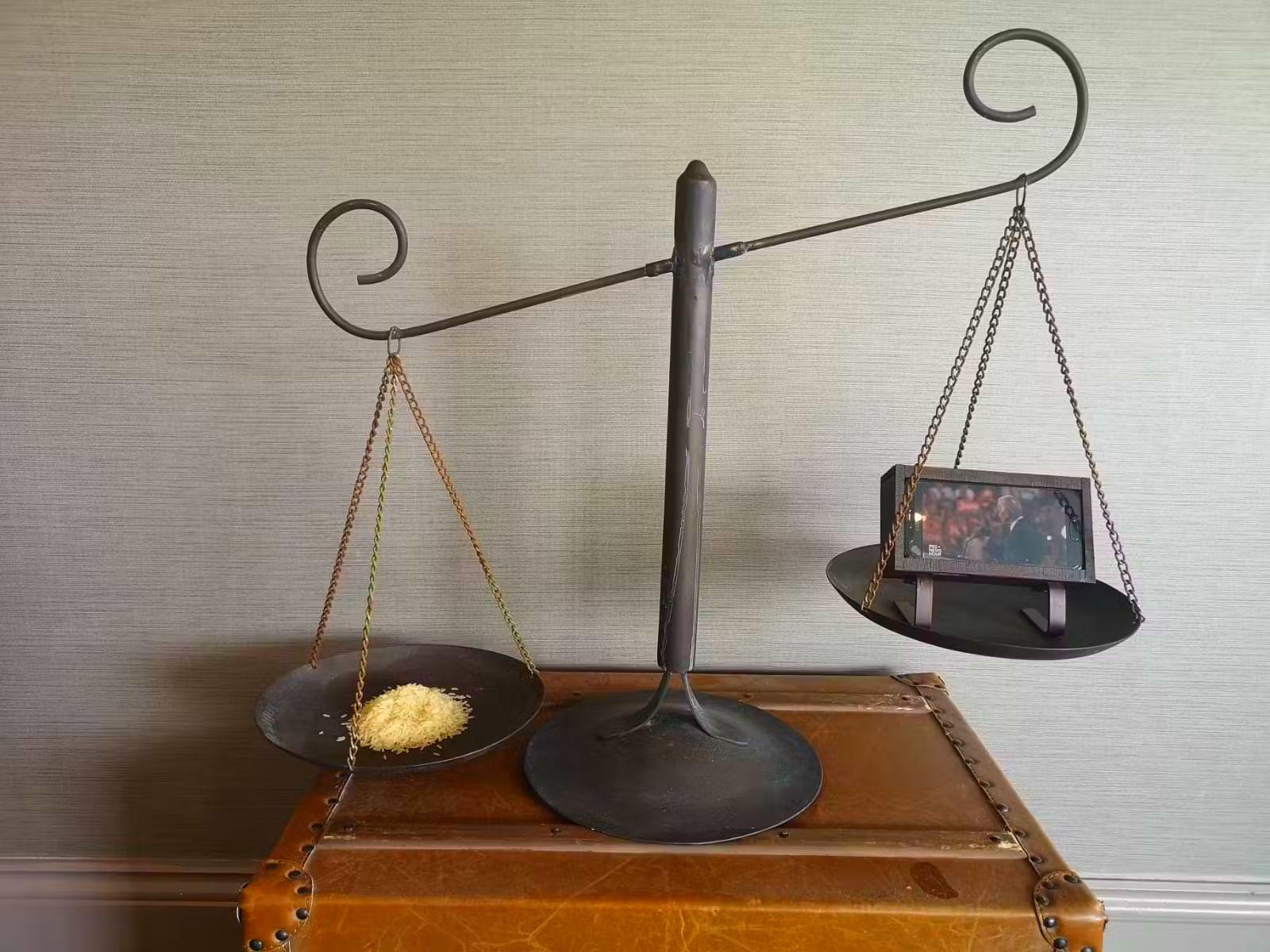
1. The Scales of Justice

The idea, or misidea, of Justice has troubled me for as long as I can remember. The symbolism of a set of scales as a representation of Justice has a long history. The concept was first developed in ancient Egypt, then was used in early Greek and Roman civilisations. Modern Western societies (mis)use this symbol readily.

The scales in Concept1 : DP 24 were cast in Beijing and are made of brass. The chains were formed from precast iron links, which have been allowed to rust. The brass now has a natural patina. The signs of the use of metalworking fluids and of welding have been left. The colour and materials should bring to mind the earth, dirt, labour, ores - although brass is, of course, in fact an alloy.

The scales have been engineered so that the first pan is ' anchored 'to the ground. The pans are not free. What is Justice? Is this symbol, which has been so strongly appropriated by Western societies , even loosely linked to the idea of Universal Justice, or what might be thought of as actual justice.

2. Pan 1. Uncooked rice

In the first (anchored) pan is a pile of uncooked rice. This pan has etched on it the name of Yuan Longping in both Chinese and English, although these are hard to see except on close inspection. Yuan Longping (b 1930 d 2021) was a Chinese agronomist. Known for developing the first hybrid rice varieties, he was part of the Green Revolution in agriculture. Often called 'the Father of Hybrid Rice', his life was spent quietly devoted to the discovery and development of hardier and more productive strains of rice.

3. Pan 2. Media Player

The second (floating) pan holds a miniature, mocked-up TV set. This in reality is heavier than the rice and should tip the scales in its favour, but it doesn't, which represents part of my value system. The media player plays a continuous loop of aggressive speeches by American Presidents, the recurring chant of 'USA, USA, USA, USA....' and of martial music and songs over images of American military might.

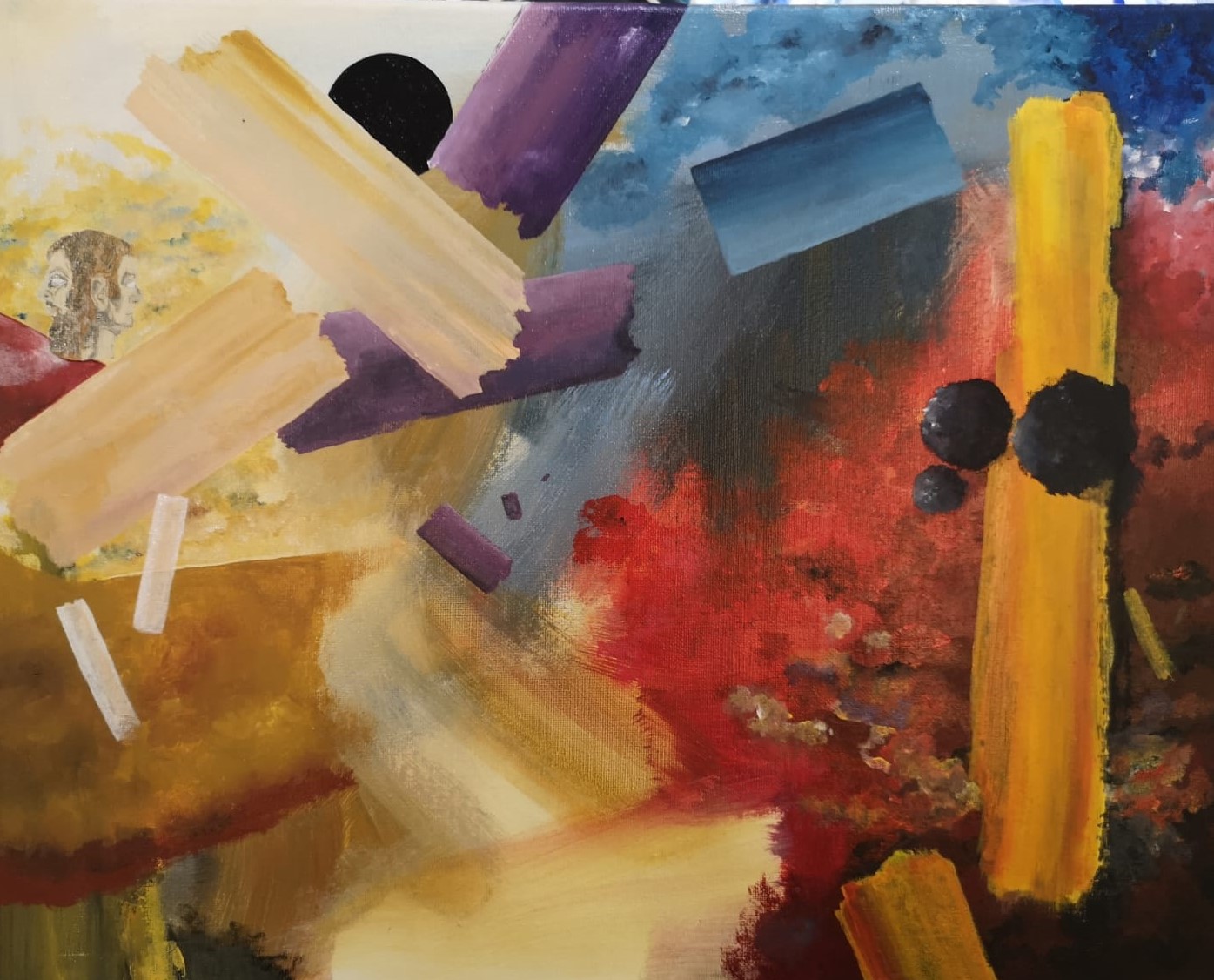
A visual guide to the development of 'Mysteries'

Mysteries slideshow